New vs. Used Forklifts: Which Is Better for Your Warehouse Growth?
Every growing warehouse hits the same point: orders climb, shifts get longer, and the old pallet jack or aging reach truck can’t keep up. Forklift financing turns that moment into a planned upgrade instead of a cash crunch. The right structure lets you add capacity without becoming equipment-rich and cash-poor.
The bigger question is often which forklift to finance: a new machine with a full warranty, or a used one that costs less and is available now. This guide compares new and used forklifts, explains which equipment suits which jobs, and covers how forklift financing and leasing work in Canada, including private-sale and auction purchases.
Already found your forklift? Apply for forklift financing. Most NewCap Leasing applications are reviewed within 24 hours.
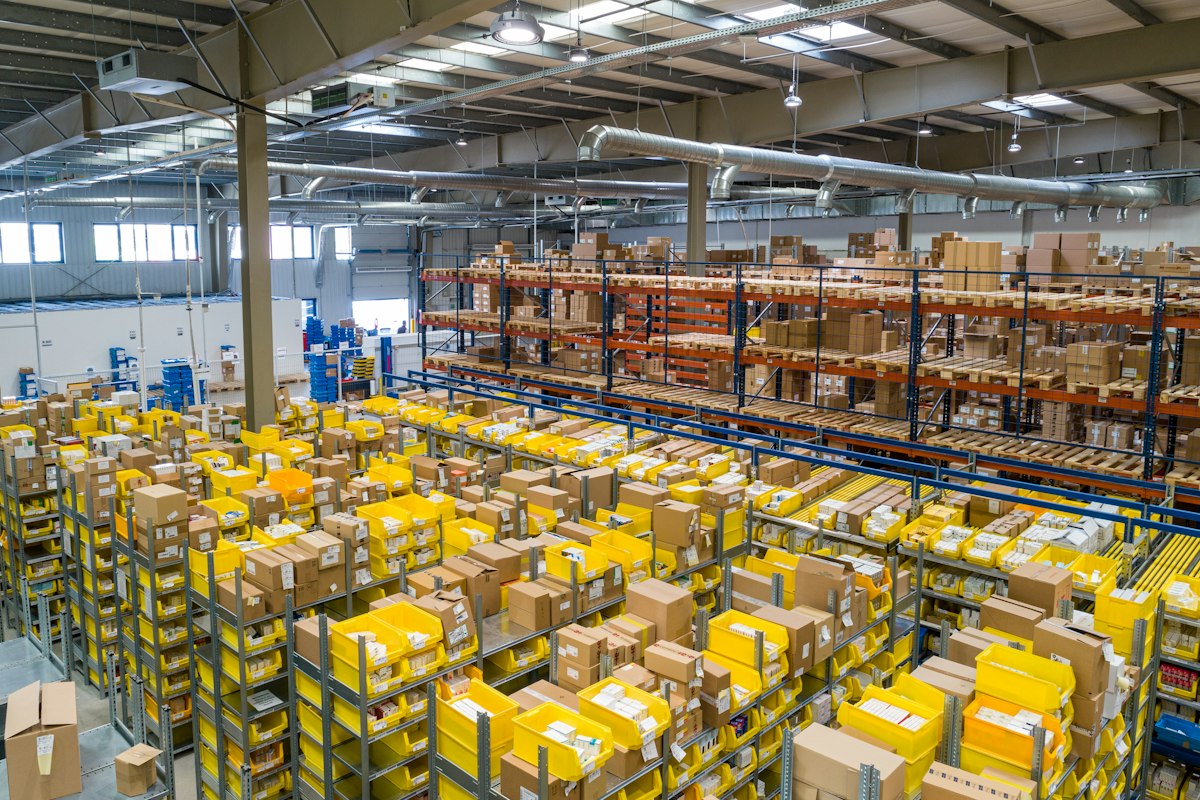
New vs. used forklift: which should you finance?
There’s no single right answer. The best choice depends on how many hours the machine will run, how long you plan to keep it, how quickly you need it and how you want to manage cash flow.
| New forklift | Used forklift | |
|---|---|---|
| Purchase price | Highest | Usually much lower, depending on age, hours and condition |
| Warranty | Typically 12–36 months or up to about 2,000 hours* | Often 30–60 days from a dealer, or none on a private or as-is sale* |
| Availability | In stock, or several weeks to 18+ weeks if ordered* | Often available immediately |
| Specification | Built to your mast height, tires, power source and attachments | Whatever is available |
| Maintenance | Predictable, mostly routine service at first | Depends on hours and service history |
| Best fit | Multi-shift operations, long ownership, specialized needs | Lighter use, tight budgets, urgent needs |
*Typical figures from an Ontario forklift dealer’s new vs. used buying guide. Coverage and lead times vary by manufacturer and dealer.
When new forklift financing makes sense
A new forklift is the safer choice when your operation runs at high capacity and downtime is expensive. If a machine fails mid-shift, you’re paying for idle workers, missed shipments and a repair bill all at once. New forklift financing gives you:
- Warranty coverage and predictable costs: no unknown maintenance history, and major components are covered for the warranty period.
- Current safety and ergonomics: newer models may include features such as speed limiting, stability systems and improved operator controls, depending on the model.
- Exactly the right specification: choose the mast height, tires, power source and attachments your facility needs instead of taking what’s on the lot.
- Newer battery technology: for electric trucks, a new lithium-ion or lead-acid battery package with its full service life ahead.
When used forklift financing makes sense
For many Canadian businesses, especially those in early growth, the price of a new forklift is hard to justify. Used forklift financing offers:
- A lower purchase price: a used machine can cost far less than new, so your budget may cover two units instead of one.
- Speed: when a new contract starts next week, a used forklift that’s available today beats a new one on order.
- Simpler servicing: older models often have fewer proprietary electronics, which can suit businesses with in-house mechanics.
A practical way to decide
Instead of a single rule of thumb, weigh these four factors together:
- Daily and yearly hours. Dealers commonly estimate a forklift’s life at around 10,000 hours with good maintenance. A truck running two or three shifts a day uses that life far faster than one running a couple of hours. Heavy, multi-shift use favours new; light or occasional use favours used.
- How long you’ll keep it. If you plan to run the machine for many years, buying new means you own all of its useful life. For a two- or three-year need, a good used unit often makes more sense.
- The cost of downtime. If one breakdown stops a production line or a dock, the reliability and warranty of a new machine are worth paying for.
- Cash flow. Compare the monthly payment on each option with the revenue or savings the forklift will produce. Financing narrows the gap between new and used, because you pay over time either way.
What types of forklifts and material handling equipment can you finance?
“Forklift” is often a catch-all for very specific machines. NewCap finances a wide range of new and used material handling equipment. Here’s what each type does and where it fits.
Counterbalance forklifts: electric, propane and diesel
The classic forklift, with a counterweight at the back that balances the load on the forks. Electric models suit indoor warehouses with no exhaust and quieter operation. Propane models refuel quickly and work indoors and out with proper ventilation. Diesel models suit heavy outdoor work in yards and lumber operations. Electric forklift financing is a common choice for distribution centres moving to cleaner fleets.
Reach trucks and narrow-aisle forklifts
Reach trucks extend their forks forward to place pallets in high racking, and they work in much narrower aisles than counterbalance forklifts. They’re standard in distribution centres that need to maximize storage density. Very narrow aisle (VNA) trucks go further, operating in aisles barely wider than the truck itself.
Order pickers
Order pickers lift the operator with the platform so they can pick individual cases or items from high shelving. They suit e-commerce, parts and retail distribution where orders are picked by the piece rather than the pallet.
Electric pallet jacks and walkie stackers
Powered pallet jacks move pallets across floors and docks, while walkie stackers can also lift loads onto lower racking. They’re affordable, compact entry points for small warehouses, retailers and manufacturers.
Rough terrain forklifts, telehandlers and heavy-duty equipment
Rough terrain forklifts have large tires and higher ground clearance for construction sites and lumber yards. Telehandlers add a telescoping boom for reach and height; see our guide to telehandler financing in Canada. Side loaders handle long loads such as lumber, pipe and steel, and high-capacity forklifts handle heavy loads in manufacturing, steel and port operations.
Used forklift financing from private sellers and auctions
Some of the best-priced forklifts are sold privately, listed on Kijiji or Facebook Marketplace, or sold at auctions such as Ritchie Bros. Many lenders are reluctant to finance private sales or auction purchases, or add steps that slow the deal down. NewCap finances used equipment from private sellers, auctions and dealers, and we move quickly so you can secure the machine before someone else does.
For more on how these deals work, read our guide to financing used equipment from private sellers.
What to check before buying a used forklift
- Hour meter: the forklift equivalent of mileage. Ask whether the meter has ever been replaced.
- Maintenance records: a documented service history is a good sign the machine was looked after.
- Mast, forks and chains: look for cracks, bent forks, worn chains and hydraulic leaks.
- Tires: worn tires need replacing soon, so factor that into your offer.
- Battery and charger (electric models): the battery is one of the most expensive components to replace, so ask for a battery test or a recent load test.
- Serial number and ownership: confirm the seller owns the machine outright before you pay.
Forklift financing vs. leasing
Whether you choose new or used, how you pay matters as much as the machine itself. Both forklift financing and forklift leasing spread the cost over predictable monthly payments, so cash stays available for payroll, inventory and operations.
Forklift leasing
- Lower payments: structures with a residual, such as a 10% buyback or fair market value lease, reduce the monthly payment.
- Easier upgrades: with a fair market value lease, you can return the forklift at the end of the term and move to a newer model.
- Possible tax advantages: payments under a true lease may be deductible as a business expense. Confirm the treatment with your accountant.
- Credit capacity: keeps your bank lines free for operating needs.
Forklift financing with ownership
If you plan to run the forklift for many years, a lease-to-own structure with a $10 buyout, or an equipment loan, means you own it at the end of the term. Once it’s paid off, the machine keeps working with no payment attached. Learn how equipment leasing works at NewCap.
How NewCap forklift financing works
- New and used equipment from dealers, auctions and private sellers
- Terms typically from 24 to 60 months, with up to 100% financing on approved credit
- $10 buyout, 10% buyback or fair market value end-of-term options
- Seasonal and step payments for businesses with uneven revenue
- Startups welcome, with no minimum operating history required
- More than one machine: finance a single pallet jack or a whole fleet, and add attachments and chargers to the same agreement
- Sale and leaseback to free up cash from forklifts you already own
Most applications are reviewed within 24 hours. To speed things up, have the dealer quote, auction listing or bill of sale ready, along with the make, model, year, serial number and hours. Estimate your monthly payment, and if you also run delivery vehicles, see our box truck financing guide.
Key takeaways
- Choose new for heavy, multi-shift use, long ownership and when downtime is costly.
- Choose used for lighter use, tighter budgets or when you need a machine right away.
- Check hours, service records, mast and chains, tires and battery health before buying used.
- Financing or leasing preserves cash whichever you choose.
- NewCap finances forklifts from dealers, auctions and private sellers across Canada.
Forklift financing FAQs
How does forklift financing work in Canada?
You choose a forklift and get a quote or bill of sale. The lender pays the seller, and you repay the cost in fixed monthly payments over a set term, typically 24 to 60 months. At the end, depending on the structure, you own the forklift, buy it for a set amount, return it or upgrade.
Can I finance a used forklift from a private seller or auction?
Yes. NewCap finances used forklifts bought from private sellers, auctions and dealers. Have the serial number, hours and condition details ready, since the machine’s age and condition can affect approval and terms.
Is it better to lease or finance a forklift?
It depends on how long you’ll keep it. Leasing with a residual lowers payments and makes upgrading easier, while financing or a $10 buyout lease gives you ownership for long-term use. Your cash flow and expected hours of use should guide the choice.
Can a new business get forklift financing?
Yes. NewCap works with new and established businesses, and there is no minimum operating history requirement. A new business may be asked for more information during review.
Can I finance more than one forklift at a time?
Yes. You can finance a single machine or several units, and include chargers and attachments in the same agreement.
What should I check before financing a used electric forklift?
Ask for a battery test or recent load test, and check the charger, hour meter and service records. A battery near the end of its life can add thousands of dollars to the real cost of the machine.
How fast can I get approved for forklift financing?
Most NewCap Leasing applications are reviewed within 24 hours. Having the quote or bill of sale and the machine’s details ready helps avoid delays.
Ready to add a forklift to your fleet?
New or used, dealer or private sale, NewCap Leasing can help you finance your next forklift and keep your cash working. Apply online, estimate your payment or call (416) 645-0286.
This article is for general information only and is not financial, legal or tax advice. Equipment financing terms and tax treatment vary by business. Financing is subject to credit approval. Consult a qualified professional before making significant equipment decisions.